

The Critical Seal: Proper Curtain Wall Joint Sealing and Maintenance to Prevent Leaks
The sleek, modern aesthetic of a curtain wall facade is a hallmark of contemporary architecture. These impressive structures, often composed of glass, metal panels, and various framing elements, create stunning exteriors and allow for an abundance of natural light within buildings. However, their sophisticated design also presents unique challenges, particularly when it comes to preventing one of the most persistent and damaging issues: water leaks. The unsung hero in this battle against moisture intrusion is proper joint sealing and diligent maintenance.
The Vulnerability of Joints in Curtain Walls
Curtain walls are not monolithic. They are intricate systems of interconnected components, meaning there are numerous joints where different materials meet. These joints are the primary pathways for water to penetrate the building envelope if not adequately sealed. Think of the delicate balance between the glass panels, the framing (often aluminum), and any adjoining elements like doors and windows. Each transition point is a potential breach.
Key areas of vulnerability include:
-
Panel-to-Panel Joints: Where individual glass or spandrel panels meet.
-
Frame-to-Panel Joints: The connection between the infill panels and the curtain wall framing system.
-
Perimeter Joints: Where the curtain wall meets the main building structure, such as concrete slabs or columns.
-
Door and Window Integration: The critical seals around integrated doors and windows within the curtain wall system.
The Role of Sealants: More Than Just a Bead
Choosing the right sealant is paramount. Not all sealants are created equal, and their performance directly impacts the long-term integrity of the curtain wall.
Considerations for proper sealant selection:
-
Material Compatibility: The sealant must be compatible with all adjacent materials (glass, aluminum, steel, concrete, etc.) to ensure proper adhesion and prevent degradation.
-
Movement Capability: Curtain walls are dynamic. They expand and contract with temperature fluctuations, and the building itself experiences movement. The sealant must accommodate this movement without tearing or losing adhesion. High-performance elastomeric sealants, such as silicones and polyurethanes, are often specified for their flexibility.
-
UV Resistance: Exposed to constant sunlight, sealants must resist degradation from ultraviolet radiation to maintain their elasticity and integrity over time.
-
Adhesion Properties: Strong and lasting adhesion to the substrates is non-negotiable. Poor adhesion leads to premature failure and leaks.
Installation: The Art of a Perfect Seal
Even the best sealant will fail if not installed correctly. This is where skilled craftsmanship and adherence to manufacturer specifications become critical.
Key aspects of proper installation include:
-
Surface Preparation: Surfaces must be clean, dry, and free of contaminants (dust, oil, old sealant residue) to ensure optimal adhesion. Primers may be required for certain substrates.
-
Backer Rods: These compressible rods are inserted into the joint before sealant application. They control the depth of the sealant, prevent three-sided adhesion (which restricts movement), and provide a proper concave shape for the sealant bead.
-
Proper Tooling: The sealant must be tooled immediately after application to ensure full contact with the joint surfaces, eliminate air pockets, and create a smooth, aesthetically pleasing, and functional finish.
-
Curing Time: Allowing adequate time for the sealant to cure according to manufacturer guidelines is essential before the joints are subjected to stress or weather exposure.
Maintenance: The Long-Term Leak Prevention Strategy
Joint sealing is not a "set it and forget it" task. Regular inspection and timely maintenance are crucial for the longevity of the curtain wall system and to prevent future leaks.
A comprehensive maintenance plan should include:
-
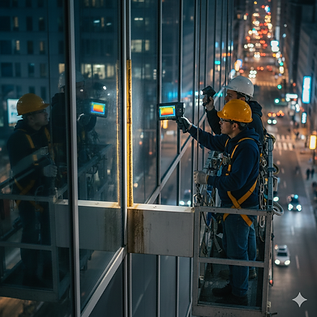
Annual Visual Inspections: Look for signs of sealant degradation, such as cracking, chalking, bubbling, loss of adhesion (cohesive or adhesive failure), or hardening. Pay close attention to corners, intersections, and areas around door and window frames.
-
Leak Detection: Investigate any signs of water intrusion immediately. Don't wait for significant damage to occur. Infrared thermography or water testing can help pinpoint the exact source of leaks.
-
Cleaning: Regularly clean the facade to prevent the buildup of dirt, pollutants, and organic growth that can compromise sealant integrity.
-
Repairs and Re-sealing: When sealants show signs of failure, they must be removed and replaced. This often involves carefully cutting out the old sealant, thoroughly cleaning the joint, and applying new sealant following the proper installation protocols. Spot repairs can extend the life of a facade, but sometimes a full re-seal of an entire section or elevation is necessary.
Beyond the Sealant: Other Factors in Leak Prevention
While joint sealing is paramount, it's part of a larger system. Other considerations for a leak-proof curtain wall include:
-
Drainage Systems: Many curtain walls incorporate internal drainage channels to manage any water that might bypass the primary sealants. These must be kept clear of obstructions.
-
Weep Holes: Properly designed and maintained weep holes in window and door frames allow any accumulated water to escape to the exterior.
-
Flashing: Correctly installed flashing at transitions and penetrations is essential to divert water away from vulnerable areas.
The curtain wall facade is a marvel of modern construction, but its performance hinges on meticulous attention to detail at every joint. Proper joint sealing with the right materials, expert installation, and a proactive maintenance regimen are not just best practices; they are critical investments in the longevity, energy efficiency, and structural integrity of any building. By prioritizing the "critical seal," owners and facility managers can prevent costly leaks, preserve the aesthetic appeal, and ensure their buildings stand strong against the elements for decades to come.

.png)
.png)